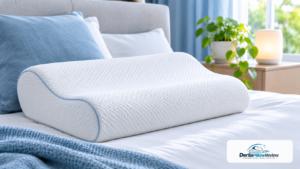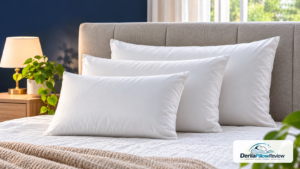
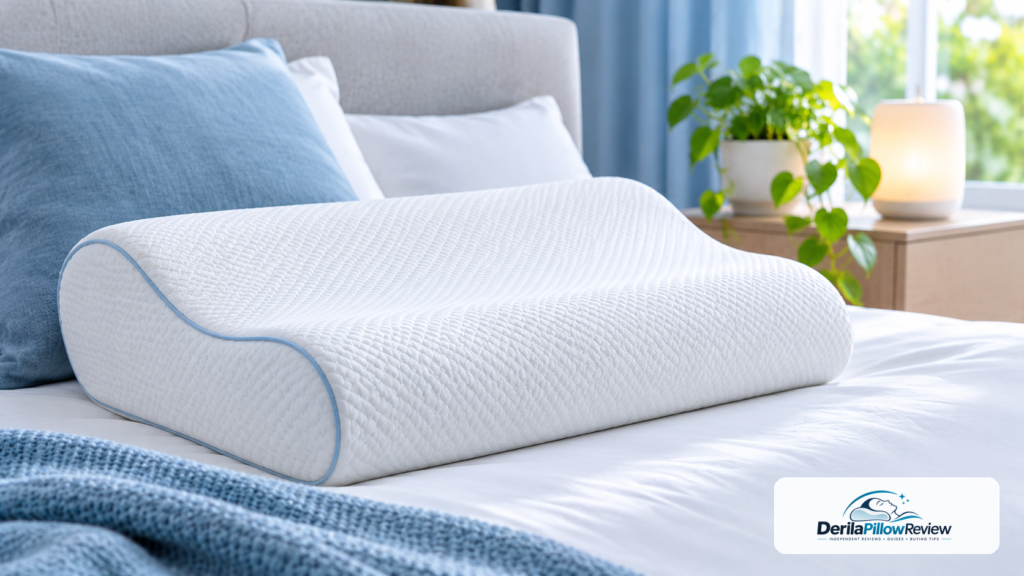
A pillowcase and a pillow protector may look similar at first, but they serve different purposes. A pillowcase is the fabric cover you sleep on and see on the bed. A pillow protector is an additional layer designed to help shield the pillow itself from sweat, oils, spills, dust and everyday wear. Some bedding products combine features of both, so checking the product description is important.
This guide explains the difference between a pillow protector and a pillowcase, how to layer them, which features to compare and what US shoppers should check before buying. If you use a contoured or ergonomic pillow, fit is especially important because a standard rectangular cover may not suit its shape.
What Is a Pillowcase?
A pillowcase is the removable outer covering that sits directly around a pillow. It provides a comfortable fabric surface, helps keep the pillow clean between washes and gives bedding a finished appearance. Pillowcases are commonly made from cotton, polyester, linen, bamboo-derived viscose or fabric blends.
Common styles include an open-ended envelope case, a side-opening case and a fitted or shaped cover. The best option depends on the pillow’s dimensions and design. A contoured pillow may need a cover made for its particular shape rather than a standard rectangular pillowcase.
What Is a Pillow Protector?
A pillow protector is a separate cover that fits around the pillow and sits underneath the pillowcase. It is intended to help protect the pillow from everyday exposure such as perspiration, skin oils, dust and accidental spills. Depending on its construction, a protector may use a tightly woven fabric, a coated barrier layer or a zippered enclosure.
Not every protector provides the same level of protection. A water-resistant product is not necessarily waterproof, and a dust-mite-resistant claim is not the same as a certified allergen-proof barrier. Read the product specifications and test or certification details rather than assuming all protectors perform alike.
Pillow Protector vs. Pillowcase: Key Differences
| Feature | Pillowcase | Pillow protector |
|---|---|---|
| Main purpose | Comfort, appearance and a washable outer surface | Helps shield the pillow from dirt, oils, moisture or wear |
| Usual position | Outermost layer | Under the pillowcase, directly around the pillow |
| Fabric feel | Often selected for softness and comfort | Varies; may be woven, coated or barrier-style |
| Closure | Envelope, open end, buttons or zipper | Often zipper or fitted enclosure, depending on design |
| Washing | Usually washed frequently as part of bedding care | Washed according to its care label and protection materials |
| Fit | Must match pillow dimensions and shape | Must fit closely without distorting the pillow |
Can You Use a Pillowcase and a Protector Together?
Yes. The usual arrangement is pillow first, protector second and pillowcase on the outside. The protector helps shield the pillow, while the pillowcase provides the surface you sleep against and can be changed more frequently.
- Check that the pillow is clean and completely dry.
- Fit the protector around the pillow, following its orientation and closure instructions.
- Make sure the protector is not stretched tightly enough to change the pillow’s shape.
- Put the pillowcase over the protector and smooth out excess fabric.
- Check that the finished pillow still feels comfortable and that the cover does not bunch or pull.
For a contoured pillow, confirm that both layers are designed for its shape. A protector that is too tight can flatten raised sections or make the pillow feel different.
Do You Need a Pillow Protector?
A protector can be useful if you want an additional washable layer between the pillow and everyday exposure. It may be worth considering for guest-room pillows, frequently used pillows or pillows that are difficult to clean internally. The value depends on the pillow’s material, the protector’s construction and your care preferences.
A protector does not remove the need to wash the pillowcase, follow the pillow’s care instructions or replace a pillow that is damaged or no longer suitable. It also cannot guarantee protection against every liquid, allergen or contaminant. Match the level of protection you need with the manufacturer’s stated performance and limitations.
How to Choose a Pillow Protector
1. Match the exact dimensions
Check the pillow’s width, length and, where relevant, height or contour profile. A protector that is too large may bunch up, while one that is too small may compress the pillow or strain its seams. For a shaped pillow, look for a protector made for that model or contour.
2. Check the material
Review the fabric and any membrane or coating used. Cotton and other woven fabrics can feel different from coated or laminated materials. If breathability or fabric feel matters to you, look for clear material details and care instructions rather than relying on a broad label.
3. Understand the protection claim
Determine whether the product is described as water-resistant, waterproof, stain-resistant or designed as a barrier against particular particles. These terms are not interchangeable. Look for specific test information or independent certification where a performance claim is important to your decision.
4. Consider noise and texture
Some coated protectors can feel less flexible or make rustling sounds when you move. Product construction varies, so read detailed reviews and check the return policy if you are sensitive to fabric texture or noise.
5. Read the washing instructions
Check the permitted wash temperature, drying method and whether bleach or fabric softener is restricted. Incorrect washing can damage a protective coating or barrier layer and reduce its intended performance.
How to Choose a Pillowcase for an Ergonomic or Contoured Pillow
Contoured pillows do not always follow standard bed-pillow dimensions. Their raised edges, curved centre or shaped neck area may need a specially fitted cover. Before buying, check the exact model name and measurements and confirm that the replacement cover is compatible with that design.
A pillowcase should not pull the contour flat, leave large empty pockets or bunch under your head. If you are looking for a replacement Derila cover, see our Derila pillowcase size, fit and care guide. Also review the product’s own instructions before using a third-party cover.
Cleaning and Care: Protector vs. Pillowcase
Pillowcases are generally changed and washed more often because they are the outermost layer. A protector may need less frequent washing, but the right schedule depends on its material, use and care label. Do not assume that every protector can be machine washed or tumble dried.
- Wash pillowcases according to their fabric care label.
- Wash protectors at the temperature and cycle specified by the manufacturer.
- Close zippers and fasteners as directed before washing.
- Avoid bleach, high heat or fabric softener if the care label prohibits them.
- Allow all layers to dry completely before putting them back on the pillow.
- Inspect seams, zippers and coatings periodically for wear.
For pillow-specific cleaning information, read our guide to cleaning a Derila pillow. Always follow the care label for the exact product you own.
Common Mistakes to Avoid
- Buying a protector based only on the words standard, queen or king without checking measurements.
- Using a rectangular protector on a contoured pillow when it does not fit properly.
- Assuming water-resistant means fully waterproof.
- Expecting a protector to replace regular pillowcase washing.
- Using high heat or harsh cleaning products that may damage a protective layer.
- Layering covers so tightly that the pillow’s shape or comfort changes.
Frequently Asked Questions
Is a pillow protector the same as a pillowcase?
No. A pillowcase is the outer fabric cover used for comfort and appearance. A pillow protector sits underneath it and is designed to help shield the pillow from everyday exposure.
Which goes on first, the pillowcase or the protector?
The protector goes directly around the pillow first. The pillowcase is then placed over the protector as the outer layer.
Can a pillow protector change how a pillow feels?
It can. A tight, thick or less flexible protector may affect the feel or shape of a pillow. Choose the correct size and check that the pillow remains comfortable after both layers are fitted.
Do pillow protectors keep pillows completely waterproof?
Not all of them. Performance depends on the fabric, seams, closure and product testing. Check whether the manufacturer claims water resistance or waterproof protection and read the stated limitations.
How often should I wash a pillow protector?
Follow the manufacturer’s care guidance. Washing frequency depends on the material, use and household needs. The pillowcase is usually washed more frequently because it is the outermost layer.
Final Thoughts
A pillowcase and a pillow protector perform different jobs and can be used together. Choose a pillowcase for a comfortable outer surface and a protector when you want an additional layer around the pillow. Check dimensions, material, protection claims and care instructions carefully—especially when fitting a contoured or ergonomic pillow. The right fit should protect the pillow without changing its shape or making it uncomfortable.
Disclosure: This website may contain affiliate links. If you purchase through qualifying links, we may earn a commission at no additional cost to you. This does not affect the general information in this guide.