Waking up with a warm or uncomfortable pillow can make it harder to settle into a consistent sleep routine. Some pillows retain more warmth than others because of their filling, construction and cover fabric. If you tend to sleep hot, choosing a pillow involves more than comparing firmness or height.
The best pillow for a hot sleeper depends on personal preference, sleeping position, material sensitivity and bedroom conditions. This guide explains which features to compare, how common pillow materials differ and what US shoppers should check before buying. A “cooling” label alone is not proof that a pillow will keep every sleeper cool all night.
Why Do Some Pillows Feel Hot During Sleep?
Pillow temperature can be influenced by several factors:
- Filling material: Different foams, fibres and natural fillings have different structures and heat-retention characteristics.
- Pillow construction: Dense or tightly packed materials may feel different from more open constructions that allow air to move through the fill.
- Cover fabric: The fabric touching your face can affect surface feel, moisture handling and airflow.
- Room temperature and bedding: A warm bedroom, heavy comforter or insulating mattress can contribute to feeling overheated.
- Personal factors: Individual temperature preferences, sleepwear and perspiration patterns also matter.
Independent pillow guides note that both the fill and shell contribute to temperature regulation. Solid foam may retain more heat than some shredded or ventilated constructions, although performance varies by product. See the Sleep Foundation cooling pillow guide and Consumer Reports pillow buying guide for additional comparison criteria.
Which Pillow Materials Should Hot Sleepers Compare?
1. Latex pillows
Latex pillows are available in solid and shredded constructions. Some designs include perforations or channels intended to encourage airflow. Latex can have a responsive, springy feel, but the exact temperature experience depends on the core, cover and construction. Check whether the product uses natural, synthetic or blended latex and review any material sensitivities before buying.
2. Memory foam pillows
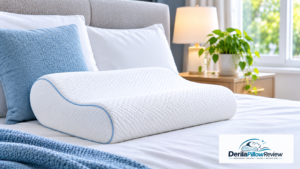
Memory foam contours in response to heat and pressure, but some dense solid-foam designs may retain warmth. Manufacturers may use open-cell foam, ventilation channels, shredded fill or cooling-related cover materials to address this. Compare the specific design rather than assuming every memory foam pillow feels the same.
3. Shredded-fill pillows
Shredded foam or mixed-fill pillows have spaces between pieces of filling, which may allow more air movement than a solid block of foam. Some are adjustable, allowing you to remove or add filling to change the loft. Check whether the fill can be redistributed easily and whether the cover is removable.
4. Down and feather pillows
Down and feather fillings have different insulating and compressive characteristics. They can feel soft and moldable, but warmth and support vary with fill type, fill amount and construction. Review the care requirements and any relevant material or allergy considerations before choosing one.
5. Polyester and down-alternative pillows
Synthetic fibre pillows come in many constructions, from light and fluffy to dense and structured. Some are designed to be washable or easy to maintain. Check the fill composition, shape retention, care label and how the pillow feels after compression.
Cooling Pillow Features to Look For
| Feature | What to check |
|---|---|
| Breathable cover | Fabric composition, weave and care instructions |
| Ventilated filling | Open-cell construction, perforations or airflow channels |
| Moisture management | Specific manufacturer details supporting moisture-wicking claims |
| Cooling or phase-change materials | What technology is used and whether the seller explains its function |
| Adjustable fill | Whether filling can be removed or added to customise loft |
| Removable cover | Whether the cover can be washed separately and how it must be dried |
| Return policy | Trial period, hygiene restrictions, return shipping and refund conditions |
Some covers are designed to feel cool to the touch, while other features aim to manage heat or moisture over a longer period. These are not identical claims. Look for a clear explanation of the materials and testing, and avoid assuming a “cooling” label guarantees a particular sleep temperature.
How Sleeping Position Affects Pillow Choice
Side sleepers
Side sleepers often compare pillows with enough loft to fill the space between the head and mattress created by the shoulder. Shoulder width, mattress firmness and pillow compression affect the required height. Read our pillow fit guide for side sleepers for more considerations.
Back sleepers
Back sleepers may prefer a pillow that feels comfortable without pushing the head noticeably forward. Compare loft, firmness and material together rather than choosing on the basis of a cooling label alone. Our back-sleeper pillow guide covers additional fit factors.
Stomach sleepers
Stomach sleepers often consider lower-profile pillows because a thick pillow can raise the head while it is turned to one side. Individual comfort varies, so check the actual dimensions and product construction. See our stomach-sleeper guide.
Combination sleepers
If you change between side and back sleeping, assess whether the pillow remains comfortable in both positions. Adjustable filling may be worth comparing if you prefer to customise loft and firmness. See our combination-sleeper pillow guide.
Cooling Pillow vs. Regular Pillow
| Consideration | Cooling pillow | Regular pillow |
|---|---|---|
| Main focus | Features marketed for temperature comfort | General cushioning, shape and support |
| Materials | May include ventilated foam, specialised covers or phase-change materials | Wide range of foam, fibre and natural fills |
| Cover | May use a specialised fabric or construction | Often cotton or synthetic blends |
| Price | Varies by materials and design | Available across many price ranges |
| Selection | Cooling claims should be checked against specifications | Compare material, loft, firmness and care needs |
A cooling pillow is not automatically better for every sleeper. A regular pillow with a comfortable cover and suitable construction may work well for some people.
Other Ways to Make Your Sleep Setup Feel Cooler
- Choose lightweight bedding and a pillowcase fabric that feels comfortable to you.
- Wash pillowcases according to their care labels and change them regularly.
- Consider whether your comforter, mattress protector or sleepwear is adding unwanted warmth.
- Keep the bedroom at a comfortable temperature and use suitable air circulation.
- Follow the pillow manufacturer’s cleaning and drying instructions so that covers and fills remain in good condition.
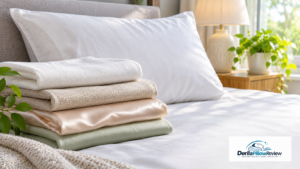
For related care advice, read our guides on how often to wash a pillowcase and pillowcase fabrics compared.
Common Mistakes When Buying a Cooling Pillow
- Assuming every memory foam pillow retains the same amount of heat.
- Buying based only on the word “cooling” without checking materials or construction.
- Ignoring pillowcase fabric and the rest of the bedding setup.
- Choosing a pillow with unsuitable loft for your sleeping position.
- Overlooking cleaning instructions, material sensitivities and return conditions.
- Assuming a cooling feature will prevent night sweats or treat a sleep or health condition.
What US Shoppers Should Check Before Buying
Before ordering a pillow in the United States, review the exact dimensions, filling and cover composition, firmness and loft information, cooling or ventilation features, and care instructions. Also confirm the seller’s contact information, shipping charges, delivery estimates, return policy and final checkout price. Product specifications and policies can change, so verify the current listing before placing an order.
Frequently Asked Questions
What is the best pillow material for hot sleepers?
There is no single best material for everyone. Latex, ventilated foam, shredded fill, fibre and other constructions have different characteristics. Compare the actual filling, cover and product design.
Are memory foam pillows hot to sleep on?
Some sleepers find dense solid memory foam warmer than other materials. However, construction varies, and some products include open-cell foam, ventilation channels, shredded fill or specialised covers.
Do cooling pillowcases make a difference?
A pillowcase affects the surface that touches your skin. Fabric composition and weave can influence how it feels, but a cooling pillowcase does not guarantee a specific temperature reduction.
Are latex pillows good for hot sleepers?
Some latex pillows use perforations or open constructions intended to support airflow. Check the exact design, cover and manufacturer specifications before deciding.
Can a pillow stop night sweats?
A pillow cannot guarantee that night sweats will stop. Room temperature, bedding, personal factors and health conditions can all influence sweating. Persistent or unexplained night sweats should be discussed with a healthcare professional.
Final Thoughts
Choosing a pillow for hot sleeping involves more than selecting a product labelled cooling. Compare the filling, cover fabric, ventilation, loft and care requirements. Consider your normal sleeping position and bedroom environment, and verify the manufacturer’s claims before buying. The most suitable pillow is one that fits your comfort preferences and sleeping position and has clear, reliable product specifications.
Disclosure: This website may contain affiliate links. If you purchase through qualifying links, we may earn a commission at no additional cost to you. This does not affect the general information in this guide.